
Handheld vs Cart-Based Ultrasound: Which Fits Your Workflow?
Workflow Comparison The question is not whether handheld ultrasound is “better” than cart-based ultrasound. The better question is: which system fits your clinical workflow? For physicians and healthcare…
Workflow Comparison
The question is not whether handheld ultrasound is “better” than cart-based ultrasound. The better question is: which system fits your clinical workflow?
For physicians and healthcare facilities considering portable ultrasound, the choice is rarely about replacing one system with another. It is about understanding how each option supports bedside decisions, formal imaging needs, procedural work, documentation, training, and team workflow.
Handheld ultrasound can make focused imaging more available at the bedside. Cart-based ultrasound can provide broader capabilities, larger screens, and more advanced imaging features. Both can be valuable. The best choice depends on the clinical question, the setting, and the operator’s training.
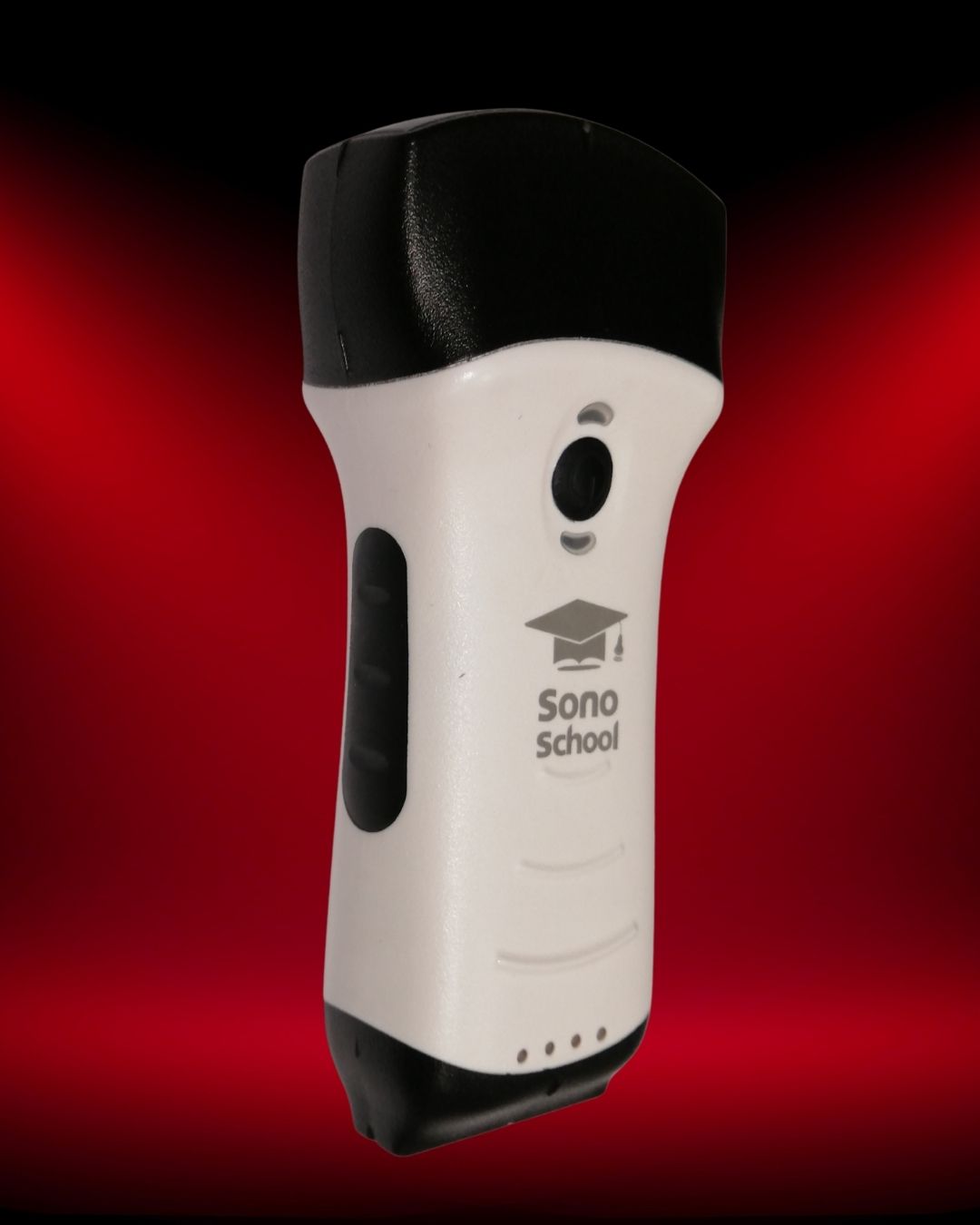
Best for focused bedside questions, repeated reassessment, procedures, clinics, training environments, and situations where access to a cart-based system is limited.
Best for more comprehensive imaging, advanced capabilities, larger displays, structured imaging workflows, and departments needing broader application coverage.
Choose based on clinical use, workflow, documentation, support, training, and total cost — not device category alone.
Handheld vs Cart-Based Ultrasound: A Practical Comparison
Clinicians often compare handheld and cart-based ultrasound by image quality alone. Image quality matters, but it is only one part of the decision. Workflow, availability, cleaning, storage, training, and clinical use are equally important.
| Factor | Handheld Ultrasound | Cart-Based Ultrasound |
|---|---|---|
| Portability | Very high. Easy to carry between rooms, departments, clinics, or training stations. | Limited. Requires transport, space, power, and availability. |
| Bedside availability | High when assigned to a clinician, team, clinic, or procedure area. | Depends on department resources and whether the machine is already in use. |
| Image quality | Device-dependent. May be suitable for focused POCUS applications if matched to the clinical use. | Often stronger, especially on advanced systems and complex imaging applications. |
| Advanced features | Varies by device and software. Some features may be limited or optional. | Usually broader, with more imaging modes, controls, probes, and measurement capabilities. |
| Workflow speed | Fast for focused questions and repeat bedside reassessment. | Can be fast when available, but may require transport and setup. |
| Documentation | Depends on app, export options, patient data workflow, and DICOM availability. | Often better integrated into established hospital imaging workflows. |
| Cost | Usually lower upfront, but total cost should include software, support, accessories, and training. | Usually higher upfront, with service contracts and maintenance considerations. |
| Best use | Focused POCUS, procedures, clinics, training, bedside reassessment, and resource-limited workflows. | Comprehensive imaging, advanced studies, specialty workflows, and high-volume institutional use. |
The comparison is not about choosing the “winner.” It is about choosing the right tool for the right clinical task.
1. Portability: The Main Advantage of Handheld Ultrasound
The biggest advantage of handheld ultrasound is immediate access.
In emergency departments, intensive care units, operating rooms, outpatient clinics, wards, and training environments, the ultrasound machine is not always where the clinician needs it. A cart-based machine may be in another room, already being used, difficult to transport, or unavailable during a time-sensitive decision.
A handheld ultrasound probe can reduce that barrier.
It may be particularly useful for:
- Rapid bedside assessment
- Vascular access
- Focused lung ultrasound
- Focused cardiac views where appropriate
- FAST/eFAST in selected clinical contexts
- Bladder assessment
- Procedure planning
- Repeat reassessment
- Teaching and hands-on POCUS practice
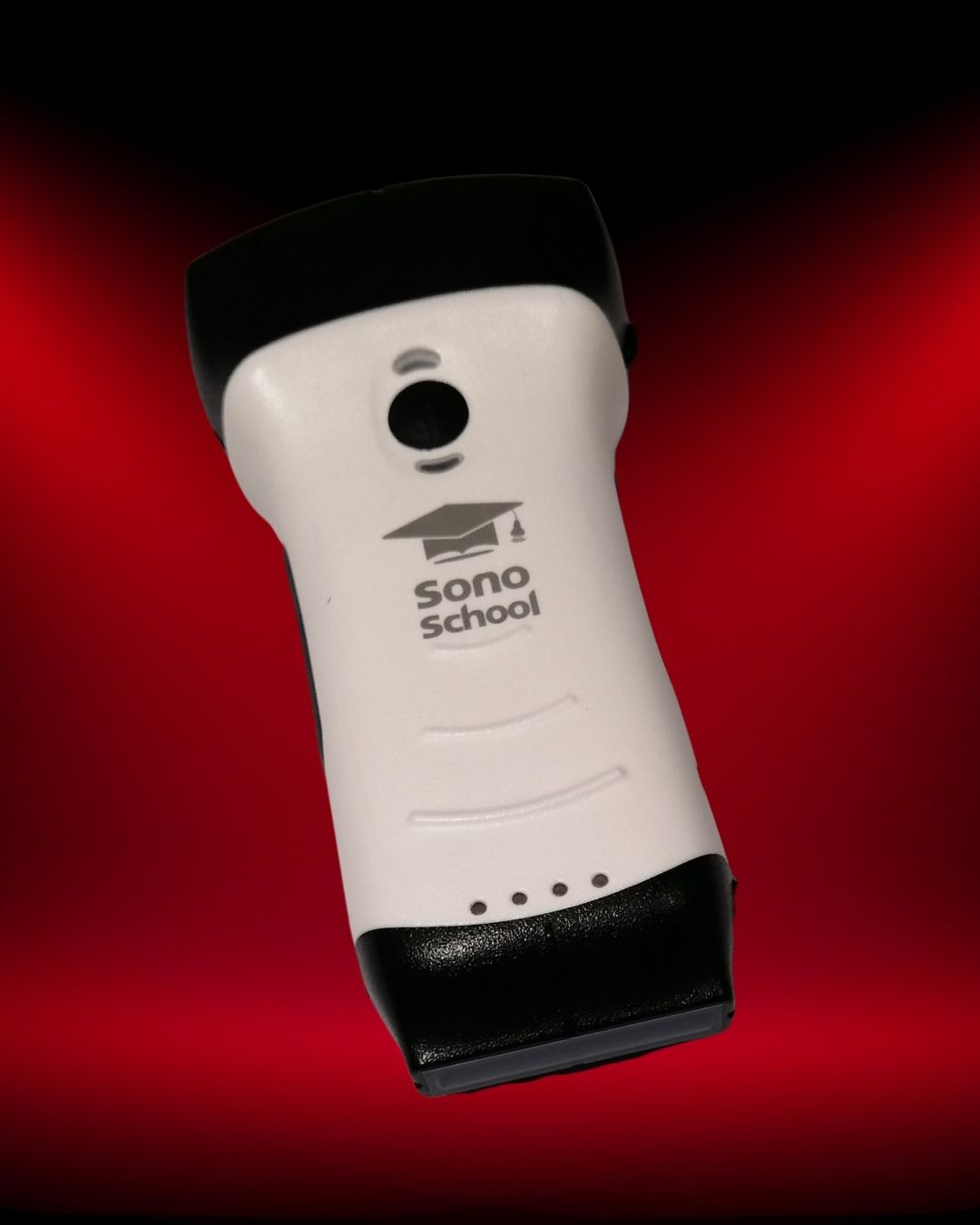
However, portability is only useful if the device is clinically adequate. A portable ultrasound machine that is easy to carry but does not produce usable images for your applications may not improve care. Before buying, clinicians should test the handheld ultrasound probe on real scan types they expect to perform.
Practical question: Do I need ultrasound to be available more often, closer to the patient, or during more routine decisions?
2. Image Quality: Focused Use vs Comprehensive Imaging
Cart-based ultrasound systems often provide stronger image quality, larger displays, more probes, and broader imaging capabilities. This makes them important for comprehensive imaging, formal studies, advanced cardiac views, vascular studies, obstetric imaging, and other specialized workflows.
Handheld ultrasound should be judged differently.
The question is not: “Does this handheld device match every feature of a high-end cart-based system?”
The better question is:
Does this handheld ultrasound provide adequate image quality for the focused clinical questions I need to answer?
For example, a clinician using handheld ultrasound for lung assessment, vascular access, bladder scanning, basic FAST views, or focused procedural support may not need the same capability as a full imaging suite. But the device still needs to be reliable for those intended applications.
What to test before deciding
- Can the device scan your typical patient population?
- Is near-field resolution adequate for superficial work?
- Is depth adequate for abdominal or deeper scanning?
- Are lung artifacts and pleural findings visible?
- Can basic cardiac windows be obtained if required?
- Does the app allow quick image optimization?
- Is the frame rate acceptable for dynamic scanning?
A device can be clinically useful without being the most advanced system in the hospital. It simply needs to be suitable for the questions you expect it to answer.
3. Workflow: Availability May Matter as Much as Capability
A cart-based ultrasound machine may offer excellent capability, but availability can become a workflow barrier.
In many departments, clinicians face practical questions:
- Where is the machine?
- Is it already being used?
- Is it clean and ready?
- Can it be moved to the patient?
- Is there enough space around the bed?
- Is there a power supply?
- Who is responsible for saving and documenting images?
Handheld ultrasound changes the workflow because it can be closer to the clinician. It can support quick focused decisions, repeated reassessment, and portable clinical use. This can be especially relevant in emergency medicine, critical care, anesthesia, internal medicine, general practice, surgery, and outpatient clinics.
But handheld workflow has its own questions:
- Who owns the device?
- Who cleans it?
- Which phone or tablet is used?
- Where are images stored?
- How are patient identifiers handled?
- Can images be exported appropriately?
- Is DICOM required?
- Are personal devices allowed?
A handheld ultrasound device can solve one workflow problem while creating another if governance and documentation are not considered.
Practical question: Will this device fit the real workflow of my department, clinic, or team?
4. Documentation, Storage, and DICOM Requirements
Documentation is one of the most important differences between casual scanning and clinical ultrasound use.
For a handheld ultrasound device, clinicians should clarify how images and clips are saved, exported, stored, and linked to the patient record. This matters for quality assurance, teaching, clinical review, medico-legal documentation, and institutional governance.
Cart-based ultrasound systems may already be integrated into hospital imaging workflows. They may support standardized patient data entry, DICOM transfer, PACS integration, reports, and institutional archiving.
Handheld ultrasound devices vary. Some may support image export, video export, cloud storage, local storage, or DICOM. Others may be limited or require additional setup.
Before choosing a handheld ultrasound system, ask:
- Can I save still images?
- Can I save video clips?
- Can I export studies?
- Which file formats are available?
- Is DICOM supported?
- Is DICOM included or optional?
- Can the device integrate with my facility’s workflow?
- Where is patient data stored?
- Does the app meet local privacy and institutional requirements?
If the device is intended only for education or informal practice, the documentation requirements may be different. If it is intended for clinical use in a hospital, the requirements may be much stricter.
5. Training: The Same Rule Applies to Both Systems
Neither handheld nor cart-based ultrasound creates clinical competence by itself.
A larger machine does not guarantee better scanning. A handheld device does not automatically make POCUS easier. Both require training in image acquisition, image interpretation, clinical integration, documentation, and recognition of limitations.
This is especially important for clinicians buying handheld ultrasound for independent use. Because handheld devices are more accessible, there is a risk that scanning becomes casual or poorly structured. POCUS should remain question-driven, supervised during learning, and aligned with protocols.
Training should include:
- Probe selection and handling
- Machine/app controls
- Image optimization
- Focused protocols
- Normal and abnormal patterns
- Common pitfalls
- Documentation
- Clinical decision-making
- When to escalate to formal imaging
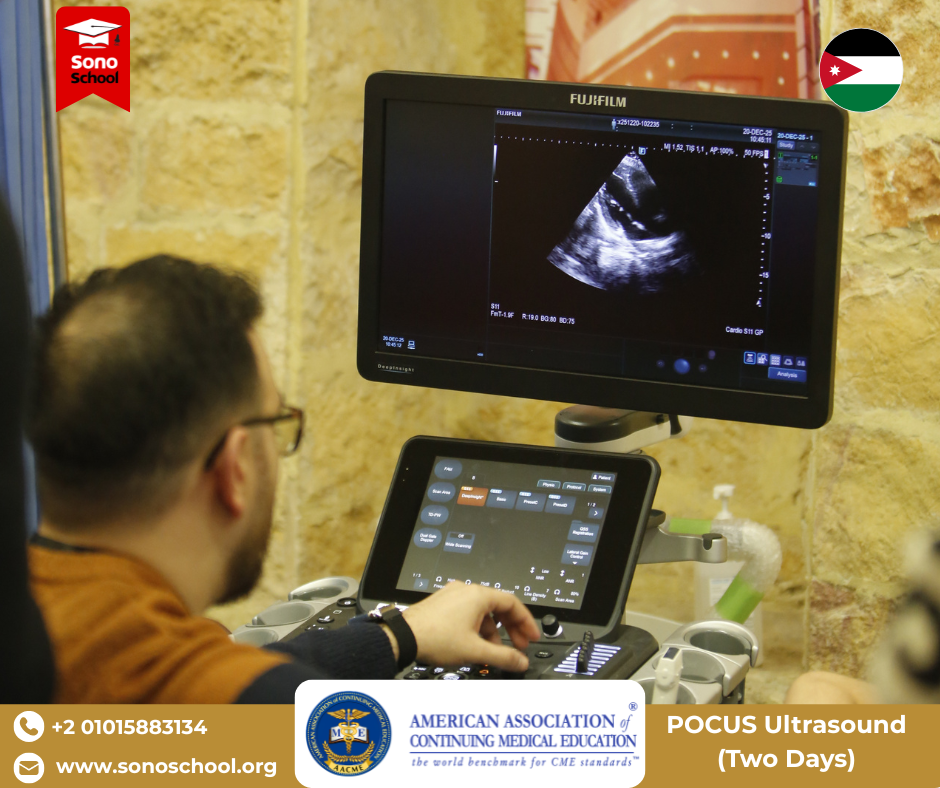
At SonoSchool, we see this distinction often: buying a handheld ultrasound probe is only the first step. The real clinical value comes when clinicians learn how to acquire images correctly, interpret them responsibly, and apply findings within the right clinical context.
When Does Each Option Make More Sense?
The right choice depends on clinical context, intended use, budget, support, and training.
Handheld ultrasound may fit better when:
- You need rapid bedside access.
- You perform focused POCUS questions.
- You need repeat reassessment.
- You work in a clinic, ward, ICU, ER, or mobile setting.
- You need a device for teaching and scanning practice.
- You need portability and lower upfront cost.
- Your workflow does not require advanced system capabilities for every scan.
Cart-based ultrasound may fit better when:
- You need comprehensive imaging.
- You require advanced modes and measurements.
- You need a larger display for detailed scanning.
- Your department has established imaging workflows.
- You need multiple probe options and broader capability.
- Your facility requires structured image archiving.
- Formal or specialist imaging is the main use case.
A Practical Decision Framework for Clinicians
Before choosing between handheld and cart-based ultrasound, write down your actual use case. This prevents the decision from becoming a generic technology comparison.
Ask yourself:
- Where will the device be used most often?
- Who will use it?
- What clinical questions will it answer?
- Which probe configuration is required?
- How often will it be used?
- Will scans need to be saved or exported?
- Is DICOM required?
- What is the cleaning process?
- What support is available locally or regionally?
- What training pathway is available?
- What is the total cost over 2–3 years?
For some clinicians, handheld ultrasound may be the practical first step into POCUS. For others, it may be a complementary tool alongside an existing cart-based system. For some departments, both may be needed: cart-based ultrasound for advanced or shared use, and handheld ultrasound for immediate focused bedside assessment.
Summary: Which Fits Your Workflow?
| Your Priority | Likely Better Fit | Why |
|---|---|---|
| Immediate bedside access | Handheld ultrasound | Portable, fast to deploy, easier to keep near the clinician. |
| Comprehensive imaging | Cart-based ultrasound | Broader capabilities, larger display, more advanced features. |
| Procedural support | Depends on device and workflow | Handheld can be practical, but image quality and needle visualization must be tested. |
| Teaching and practice | Handheld ultrasound | Portable and easier to use across training stations. |
| Hospital archiving and DICOM workflow | Often cart-based, but device-dependent | Institutional documentation requirements may be stricter. |
| Repeat reassessment | Handheld ultrasound | Easy access supports focused reassessment over time. |
Final Takeaway
Handheld ultrasound and cart-based ultrasound should not be treated as direct competitors in every situation.
A cart-based system may remain essential for comprehensive imaging, advanced features, and formal workflows. A handheld ultrasound device may be more practical for focused bedside questions, repeat reassessment, procedures, training, and settings where portability changes access.
The best choice depends on:
- Your clinical setting
- Your most common ultrasound questions
- Your documentation requirements
- Your available budget
- Your need for portability
- Your team’s training level
- Your support and warranty expectations
At SonoSchool, we believe POCUS is not just about selecting a device. It is about choosing the right technology, building the right workflow, and developing the clinical confidence to use ultrasound effectively at the bedside.
Explore Handheld Ultrasound Options Available Through SonoSchool
If you are comparing handheld and cart-based ultrasound for your practice, clinic, department, or training program, SonoSchool can help you review device options, clinical applications, specifications, availability, and POCUS training pathways.
FAQ
Is handheld ultrasound better than cart-based ultrasound?
Not universally. Handheld ultrasound is often better for portability, quick focused questions, and repeat bedside reassessment. Cart-based ultrasound may be better for comprehensive imaging, advanced features, larger displays, and structured hospital workflows.
Can handheld ultrasound replace a cart-based ultrasound machine?
In most settings, handheld ultrasound should not be viewed as a full replacement for cart-based systems. It is best considered a focused bedside tool or complementary device, depending on clinical needs and workflow.
When should a clinician choose handheld ultrasound?
Handheld ultrasound may be suitable when portability, fast access, focused POCUS applications, procedural support, teaching, or repeat reassessment are priorities. The device must still match the clinician’s intended applications and documentation needs.
When is cart-based ultrasound still necessary?
Cart-based ultrasound may be necessary for comprehensive imaging, advanced measurements, specialty studies, formal imaging workflows, and situations requiring broader probe options or stronger system capabilities.
Does handheld ultrasound have enough image quality for POCUS?
It depends on the device, the application, the patient, and the operator. Clinicians should test image quality across their actual use cases before purchasing, especially for lung, cardiac, abdominal, vascular, and procedural applications.
Do I need training for both handheld and cart-based ultrasound?
Yes. Ultrasound competency depends on image acquisition, interpretation, clinical integration, documentation, and understanding limitations. Device access does not replace structured POCUS training.
Medical and Purchasing Disclaimer
This article is intended for educational and purchasing guidance only. Device selection and clinical use should follow local regulations, institutional policies, manufacturer documentation, and appropriate clinical training. Product-specific certifications, compatibility, warranty terms, pricing, and technical specifications should be verified directly before purchase.
What to explore next
This article is one step in a practical learning journey. Continue with related insights, hands-on workshops, or the full POCUS Fellowship pathway.
Recommended learning path
Choose the next step based on whether you want to read more, join a workshop, or explore structured fellowship training.
Ready to build real bedside ultrasound confidence?
Join structured POCUS courses and hands-on workshops designed to move clinicians from theory to confident bedside application.