
Before You Buy a Handheld Ultrasound | SonoSchool
Clinician Buying Guide Handheld ultrasound can put imaging directly at the bedside, but portability alone does not make a device clinically useful. For emergency physicians, intensivists, anesthesiologists, internists,…
Clinician Buying Guide
Handheld ultrasound can put imaging directly at the bedside, but portability alone does not make a device clinically useful.
For emergency physicians, intensivists, anesthesiologists, internists, surgeons, general practitioners, and residents, handheld ultrasound has made point-of-care imaging more accessible than ever. A portable device can support rapid bedside assessment, procedural guidance, training, and clinical decision-making in settings where access to traditional ultrasound may be limited or delayed.
But buying a handheld ultrasound should not be based on price, portability, or a short product demo alone. A clinically useful handheld ultrasound device needs to fit your real workflow: the patients you scan, the applications you perform, the phone or tablet you use, the documentation you need, the support available in your region, and the level of training required to use it properly.
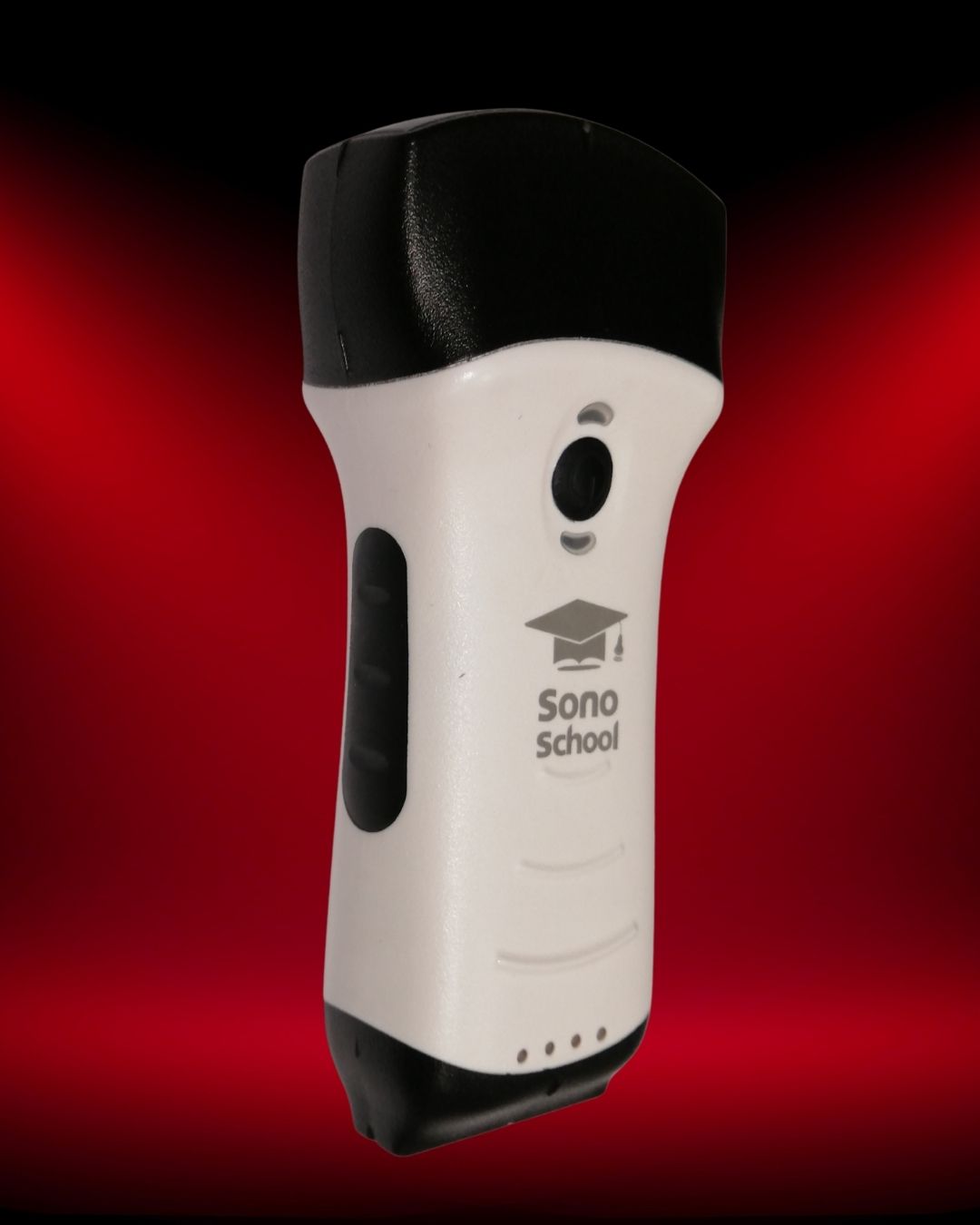
Before investing in any handheld ultrasound probe or portable ultrasound machine, clinicians should evaluate the full clinical ecosystem around the device — not just the device itself. Below are seven areas every clinician should check before buying.
1. Image Quality in Real Clinical Conditions
Image quality is usually the first thing clinicians ask about, and rightly so. However, image quality should be evaluated in real clinical conditions, not only through selected demo images.
Demo scans are often performed under ideal circumstances: cooperative patients, controlled settings, experienced operators, and favorable body habitus. Real clinical practice is different. Patients may be obese, critically ill, ventilated, restless, injured, hypotensive, or positioned poorly.
A handheld ultrasound device needs to perform under those conditions, not only in a showroom.
When evaluating image quality, consider:
- Depth performance: Can the device image deeper structures clearly enough for abdominal, FAST/eFAST, or cardiac applications?
- Near-field resolution: Is it adequate for vascular access, nerve blocks, soft tissue, MSK, or superficial scanning?
- Cardiac windows: Can it support focused cardiac views when needed?
- Lung ultrasound clarity: Are the pleural line, A-lines, B-lines, consolidation, and effusions visible enough for your clinical use?
- Image optimization: Does the app allow easy adjustment of gain, depth, focus, presets, and imaging modes?
- Frame rate and responsiveness: Is the image smooth enough for dynamic procedures and moving structures?
For emergency and critical care physicians, image quality should be tested across the scans performed most often: lung ultrasound, FAST/eFAST, focused cardiac ultrasound, IVC assessment, abdominal scanning, vascular access, and procedural guidance.
For anesthesiologists, near-field detail and needle visualization may matter more than abdominal depth. For internal medicine and general practice, cardiac, lung, abdomen, and bladder use cases may be more relevant. For surgeons, FAST, procedural guidance, and focused abdominal scanning may be priorities.
Practical clinician tip: Do not judge a handheld ultrasound probe only by its best demo image. Test scans that match your specialty and daily workflow.
2. Probe Type and Clinical Applications
Not every handheld ultrasound device is suitable for every clinical application. The probe configuration matters.
Most POCUS applications rely on three common probe types: linear, curvilinear/convex, and phased array.
Linear Probe
A linear probe is typically used for superficial structures and high-resolution near-field imaging.
- Vascular access
- Nerve blocks
- Soft tissue assessment
- MSK scanning
- Superficial procedures
Curvilinear / Convex Probe
A curvilinear or convex probe is generally used for deeper abdominal and pelvic structures.
- FAST/eFAST
- Abdominal scanning
- Gallbladder
- Kidney
- Bladder
Phased Array / Cardiac Probe
A phased array probe is designed for cardiac imaging and deeper structures through narrower acoustic windows.
- Focused cardiac ultrasound
- Pericardial effusion assessment
- Global LV function estimation
- IVC assessment
- Shock assessment
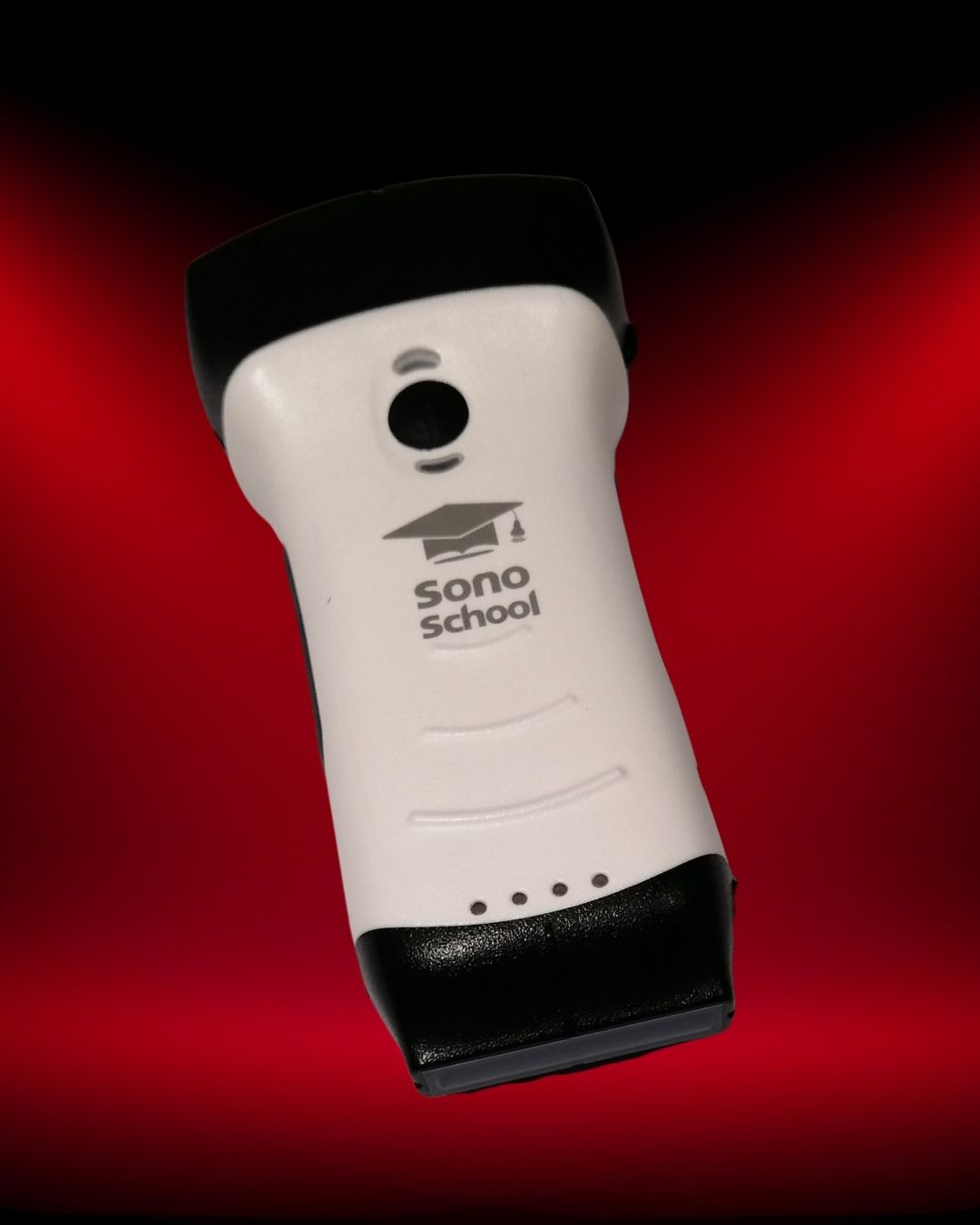
The right handheld ultrasound device depends on your actual workflow. A clinic focused on vascular access and procedures may prioritize linear imaging. An emergency department may need lung, FAST, cardiac, and vascular access. A critical care unit may prioritize lung, cardiac, vascular access, and procedural guidance.
Before buying, ask:
- Which probe types are included?
- Is it single-head, dual-head, or multi-probe?
- Which applications are supported?
- Are the presets relevant to my specialty?
- Will I need more than one probe to cover my clinical workflow?
3. Device and Operating-System Compatibility
A handheld ultrasound device is not only a probe. It is a probe plus an app, software environment, and display device.
Before purchasing, confirm exactly which devices and operating systems are supported.
Check compatibility with:
- iOS
- Android
- iPad or tablet
- Smartphone models
- Windows or desktop systems, if needed
- USB-C or wired connection
- Wireless connection
- App version requirements
- Minimum operating-system requirements
- Device storage requirements
- Software update policy
This is especially important for clinics and hospitals purchasing multiple devices. A probe that works well on one physician’s phone may not work across all staff devices. Some institutions may also restrict the use of personal devices for patient data, which affects whether a handheld system can be used in routine practice.
Connection method is another key factor. Wireless handheld ultrasound can be convenient at the bedside, but clinicians should assess battery life, signal reliability, latency, and ease of connection. Wired USB-C systems may offer more stable connectivity in some workflows, but they require compatible devices and cables.
Before purchasing, confirm:
- Which phones and tablets are supported?
- Is the app available in your region?
- Are future app updates included?
- Can the device be used on hospital-approved hardware?
- Does the system work without internet access?
- What happens if the app is updated or discontinued?
Compatibility is not a minor technical detail. It can determine whether the device is practical or frustrating in daily clinical use.
4. Certifications and Regulatory Compliance
Clinicians and healthcare facilities should never ignore regulatory documentation.
A handheld ultrasound probe is a medical device. Depending on the country, the purchaser may need to confirm regulatory approvals, import documentation, safety standards, manufacturer documentation, and local registration requirements.
For clinicians in Saudi Arabia, UAE, Egypt, and the GCC, requirements may vary depending on local regulations, institutional procurement rules, distributor documentation, and intended use.
Before purchasing any point-of-care ultrasound device, ask the supplier for:
- Manufacturer name and model
- Product datasheet
- User manual
- Applicable regulatory documentation
- Safety and quality documentation
- Country-specific import or distribution information
- Warranty documentation
- Service and technical support process
- Any relevant clinical use limitations
Do not assume certification based on marketing language alone.
For SonoSchool’s available handheld ultrasound options, certification and regulatory documentation should be confirmed directly at the time of quotation.
[PRODUCT INFORMATION REQUIRED]
5. Workflow, Storage and Connectivity
A good handheld ultrasound probe is more than hardware.
Clinical usefulness depends on how easily you can perform, save, review, export, and document your scans.
Before buying, evaluate the full workflow:
- Can images be saved?
- Can video clips be saved?
- Can reports be generated?
- Can measurements be stored?
- Can scans be exported?
- Which formats are supported?
- Is patient identification possible?
- Is data stored locally, in the cloud, or both?
- How is patient privacy handled?
- Can studies be shared with colleagues?
- Can files be integrated into hospital systems?
For hospitals and larger facilities, DICOM support may be important. However, not every handheld ultrasound device supports DICOM, and not every clinic needs full DICOM integration.
A solo clinic, private practice, or training environment may prioritize image export and documentation more than PACS connectivity. A hospital department may require DICOM compatibility, patient data governance, and IT approval.
Before purchase, ask:
- Do I need DICOM?
- Does the device support DICOM?
- Is DICOM included or paid separately?
- Can I export images and clips easily?
- Can I document scans according to institutional policy?
- Where is patient data stored?
- Is the workflow acceptable for my facility?
A portable ultrasound machine that produces a good image but creates documentation problems may not be the right choice for clinical practice.
6. Warranty, Technical Support and Total Cost
Price is important, but it is not the full cost.
A low upfront price may become expensive if there are hidden fees, limited support, replacement delays, paid software updates, or unclear warranty terms.
Practical question: What will this device actually cost me over the next 2–3 years?
Consider:
- Initial purchase price
- Warranty duration
- What the warranty includes
- What the warranty excludes
- Repair process
- Replacement process
- Local or regional technical support
- Shipping costs for repair
- Accessories
- Charging cables or adapters
- Protective cases
- App or software subscriptions
- Cloud storage fees
- DICOM fees, if applicable
- Future software updates
- Training costs
- Institutional onboarding costs
For clinicians and facilities in Saudi Arabia, UAE, Egypt, and the GCC, local availability and after-sales support can be as important as the device specifications. If the probe stops working, how quickly can it be assessed? Is there regional support? Do you need to ship it internationally? Is a replacement available?
A device used in clinical practice should have a clear support pathway.
7. Training and Clinical Support
Owning an ultrasound device does not automatically create POCUS competency.
This is one of the most important points for clinicians and facilities considering handheld ultrasound. Point-of-care ultrasound depends on three connected skills:
- Image acquisition: Can the clinician obtain the correct view?
- Image interpretation: Can the clinician identify normal, abnormal, and limited-quality findings?
- Clinical integration: Can the clinician use the finding appropriately within the clinical context?
A handheld ultrasound probe can make imaging more accessible, but the operator still needs structured learning, supervised practice, protocol familiarity, and quality assurance.
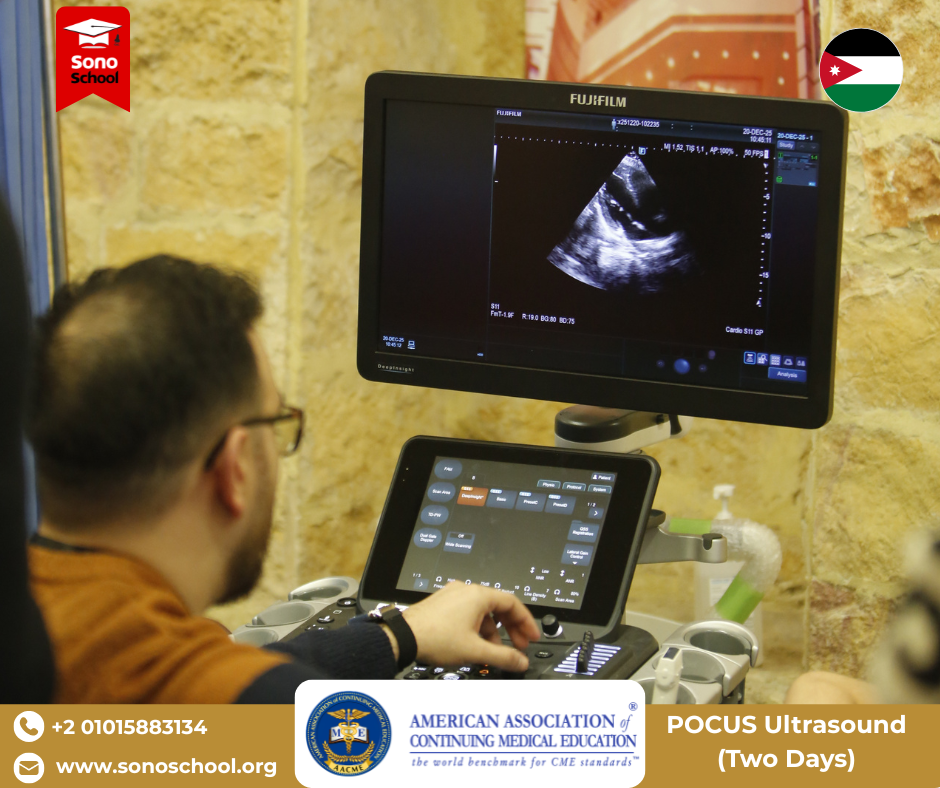
Training should cover:
- Probe handling
- Knobology and app controls
- Lung ultrasound
- FAST/eFAST
- Focused cardiac ultrasound
- Vascular access
- Procedural guidance
- Image optimization
- Common pitfalls
- Documentation
- Clinical protocols
- When to escalate to formal imaging
At SonoSchool, we believe POCUS is not simply about owning a point-of-care ultrasound device. It is about having the right technology, structured training, supervised practice, and clinical confidence to use ultrasound effectively and responsibly.
Handheld Ultrasound Buyer Checklist
Use this checklist before buying a handheld ultrasound probe:
Questions to Ask Before Buying
- Which probe types are included?
- Which clinical presets are supported?
- Which devices and operating systems are compatible?
- Are software updates free or paid?
- Is DICOM supported, if required by my facility?
- What documentation can be provided before purchase?
- What happens if the probe needs repair?
- Is technical support available in my country?
- Is training included or available separately?
- What is the total cost over 2–3 years?
Handheld vs Cart-Based Ultrasound: Which Is Better?
Handheld ultrasound and cart-based ultrasound serve different roles.
A handheld ultrasound device should not be viewed as a universal replacement for every traditional ultrasound system. In many settings, cart-based systems remain important for advanced imaging, specialty studies, higher-end image optimization, dedicated departments, and complex examinations.
However, handheld ultrasound can be highly valuable when portability, speed, bedside availability, and frequent focused assessment matter.
| Factor | Handheld Ultrasound | Cart-Based Ultrasound |
|---|---|---|
| Portability | Excellent | Limited |
| Bedside availability | High | Depends on access |
| Image quality | Variable by device and application | Often higher, especially on advanced systems |
| Advanced capabilities | Device-dependent | Usually broader |
| Cost | Often lower upfront | Usually higher |
| Workflow | Fast, mobile, flexible | More structured |
| Best use | POCUS, bedside assessment, procedures, screening | Comprehensive imaging, advanced studies, formal examinations |
The question is not whether handheld ultrasound is “better” than cart-based ultrasound. The better question is: which system fits the clinical task, workflow, user skill level, and documentation requirements?
Choosing the Right Handheld Ultrasound for Your Practice
Buying a handheld ultrasound should be a clinical decision, not only a purchasing decision.
Specifications matter, but they are not enough. Clinicians should evaluate image quality, probe configuration, device compatibility, workflow, documentation, regulatory information, technical support, warranty, total cost, and training.
A strong handheld ultrasound solution should answer four practical questions:
- Can I scan the patients I actually see?
- Can I document and store scans appropriately?
- Can I get support if something goes wrong?
- Can I develop the skill to use it safely and effectively?
At SonoSchool, we believe POCUS is not simply about owning an ultrasound device. It is about having the right technology, the right training, and the clinical confidence to use ultrasound at the bedside with purpose.
Clinicians and healthcare facilities considering a handheld ultrasound solution can explore options available through SonoSchool and request product specifications, availability, and pricing.
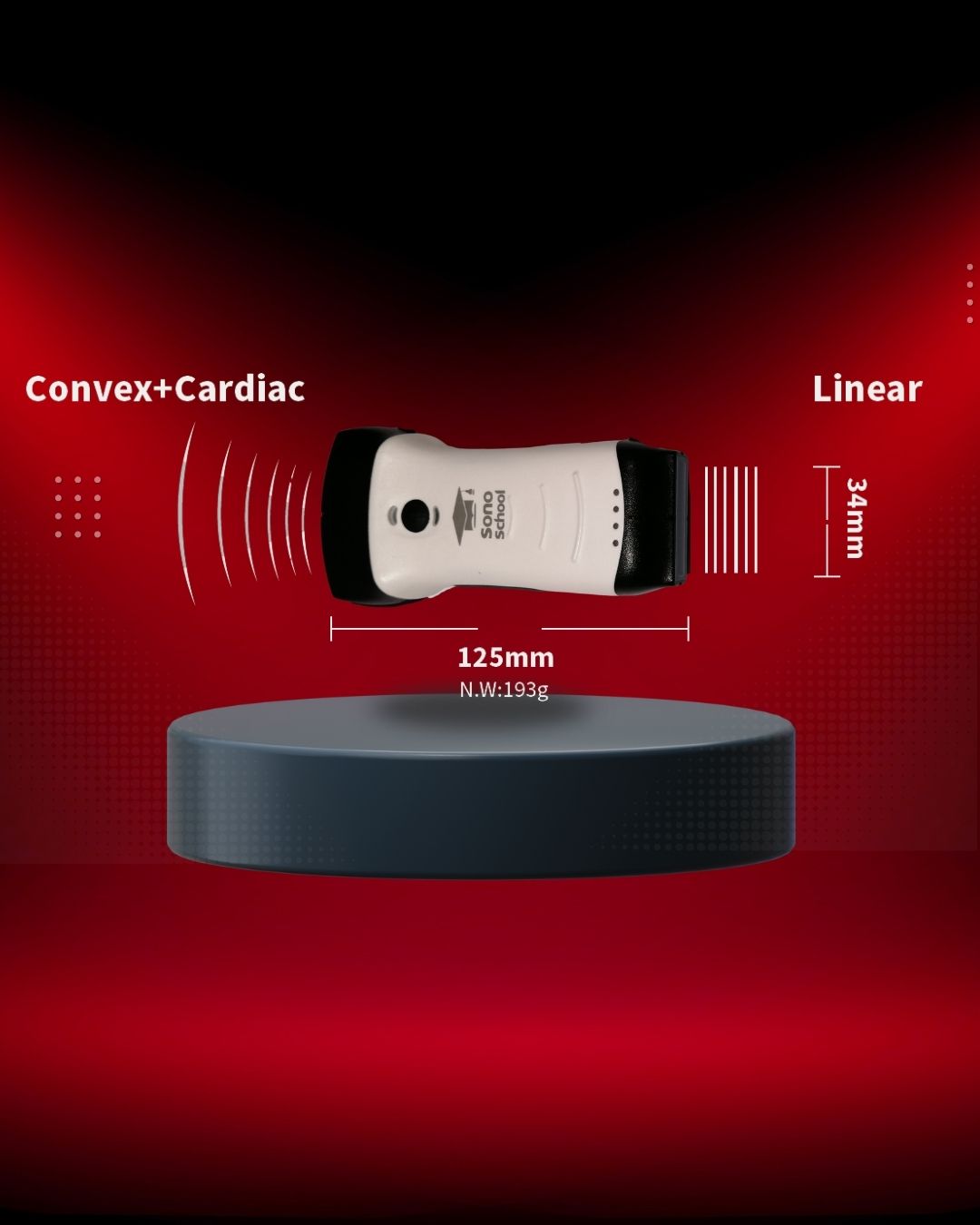
Explore Handheld Ultrasound Options Available Through SonoSchool
Looking for a handheld ultrasound solution for your practice or facility? Explore handheld ultrasound options available through SonoSchool and request specifications, availability, and pricing based on your country and clinical needs.
Frequently Asked Questions
What should I look for in a handheld ultrasound?
Look beyond price and portability. Evaluate image quality, probe type, clinical applications, compatibility with your phone or tablet, storage/export options, regulatory documentation, warranty, local technical support, software costs, and training availability.
Is handheld ultrasound good enough for POCUS?
A handheld ultrasound can be useful for POCUS when the device matches the clinical application and the operator is properly trained. Suitability depends on image quality, probe configuration, software workflow, and the clinician’s intended use.
Can handheld ultrasound replace a traditional ultrasound machine?
Not always. Handheld ultrasound is valuable for bedside, focused, and portable applications, but it does not replace every cart-based ultrasound system. Cart-based systems may still be preferred for advanced imaging, formal studies, and specialty workflows.
Which ultrasound probe is best for POCUS?
There is no single best probe for all POCUS applications. Linear probes are useful for vascular access, soft tissue, nerve blocks, MSK, and superficial imaging. Curvilinear probes are useful for FAST/eFAST, abdomen, bladder, kidney, and deeper structures. Phased array probes are commonly used for focused cardiac ultrasound.
Do handheld ultrasound devices support DICOM?
Some handheld ultrasound devices may support DICOM, while others may not. Clinicians and facilities should confirm DICOM capability before purchase, especially if integration with PACS, hospital imaging systems, or formal documentation workflows is required.
Do I need POCUS training before using handheld ultrasound?
Yes. Owning a handheld ultrasound device does not automatically create POCUS competency. Clinicians need training in image acquisition, interpretation, protocols, documentation, and clinical integration. Hands-on supervised practice is especially important.
Medical and Purchasing Disclaimer
This article is intended for educational and purchasing guidance only. Device selection and clinical use should follow local regulations, institutional policies, manufacturer documentation, and appropriate clinical training. Product-specific certifications, compatibility, warranty terms, pricing, and technical specifications should be verified directly before purchase.
What to explore next
This article is one step in a practical learning journey. Continue with related insights, hands-on workshops, or the full POCUS Fellowship pathway.
Recommended learning path
Choose the next step based on whether you want to read more, join a workshop, or explore structured fellowship training.
Ready to build real bedside ultrasound confidence?
Join structured POCUS courses and hands-on workshops designed to move clinicians from theory to confident bedside application.